
Build AI-native products with strategic flexibility

Turn product vision into a structured AI system you can test, inspect, and evolve as the market moves.

Follow updates from MV Technologies

AI changed the cost of entering a market

The barrier to building software has dropped dramatically.

That changes the game for founders and CTOs. The advantage is no longer just having more engineers, more capital, or more time. It is being able to identify the right AI-native version of a product category — and iterate toward it before incumbents can adapt.

Legacy companies are still constrained by old architectures, old workflows, and slow product cycles.

New entrants have a different opportunity: redesign products, operations, and customer experiences around what AI can do now.

But speed alone is not enough. The real advantage is learning quickly enough to converge on the right product before the window closes.

What matters now

  • the cost of building is lower than ever
  • the cost of learning is now the real constraint
  • incumbents are slow to re-architect around AI-native workflows
  • new entrants can win if they discover the right wedge first
  • product flexibility matters more than fixed long-term planning
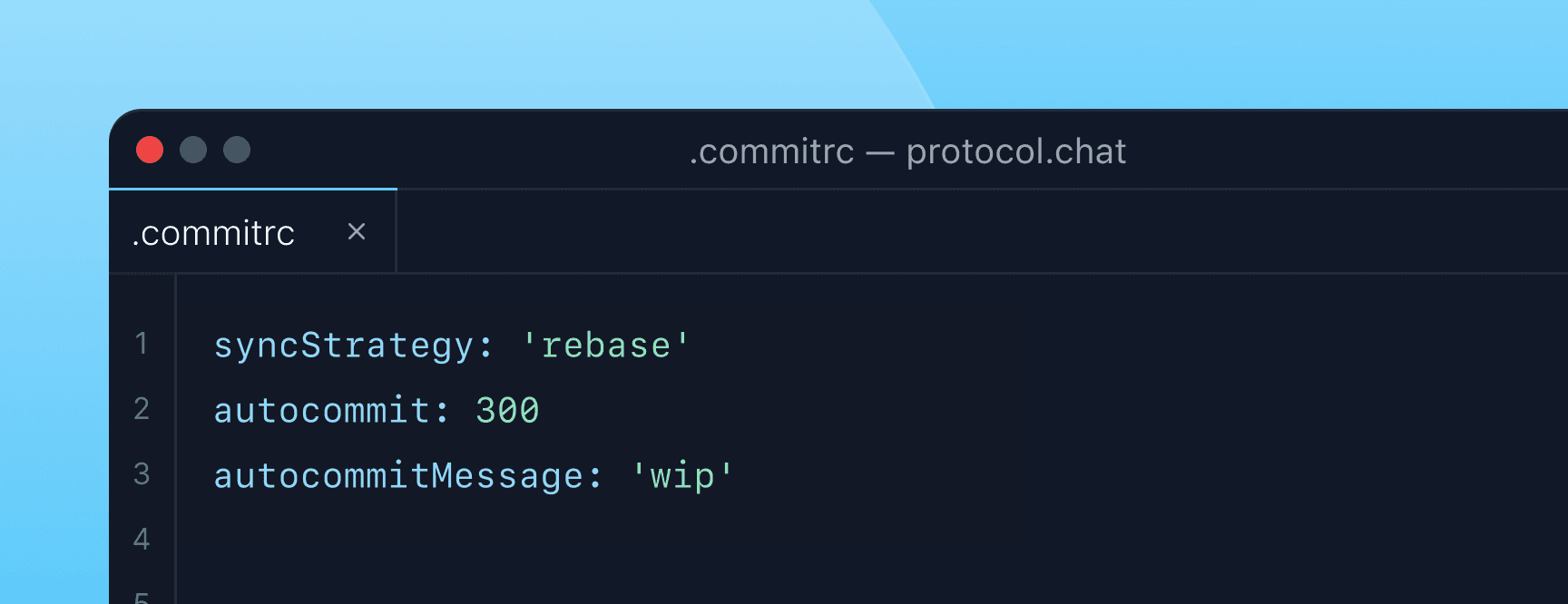
Turn product vision into an iterable AI system

Prompt Orchestra gives founders and CTOs a structured way to move from concept to operational AI product logic.

Instead of hardcoding prompts, tools, and workflows across the stack, you define them as versioned runtime components your team can inspect, compare, and evolve over time.

Versioned prompts and skills — turn AI behavior into structured building blocks instead of scattered application logic.

Inspectable execution — every run shows what happened, what changed, what tools were called, and what it cost.

Reusable workflows — keep what works, adapt what doesn’t, and evolve the product without rebuilding from scratch.

Multi-step orchestration — move from one-off AI features to systems you can operate and improve.

This creates a much tighter loop between product vision, implementation, learning, and iteration.

What this gives your team

  • lower cost of testing new product directions
  • faster convergence on what actually creates value
  • more flexibility to evolve the product thesis over time
  • less waste between idea, release, and learning
  • an AI system you can refine instead of repeatedly rebuilding

Learn faster than the market moves

In AI-native markets, the risk is no longer that you cannot build.

The risk is that you can build endlessly without knowing whether you are getting closer to something people actually want.

Prompt Orchestra helps reduce that risk by making every version of your AI system more legible:

  • what version ran
  • what changed from the last one
  • how the workflow behaved
  • what it cost
  • whether it improved the product

That gives leadership a clearer basis for deciding:

  • which ideas deserve more investment
  • which workflows should be refined
  • where AI is creating leverage
  • where the product needs to change direction

Build with evidence, not just momentum

  • compare versions instead of debating opinions
  • reduce wasted product cycles
  • make AI behavior visible enough to support real decisions
  • improve product conviction with better operational evidence
  • move from experimentation to scalable product direction

This is how new entrants beat legacy

The winning teams will not necessarily be the ones that build the most.

They will be the ones that:

  • identify the right AI-native wedge into a market
  • learn faster than incumbents can respond
  • evolve product direction without rebuilding the company around each change

Prompt Orchestra is built for that phase.

It gives founders and CTOs a runtime for structured iteration: the ability to test, inspect, compare, and evolve AI-native product behavior as part of a deliberate market entry strategy.

This is not just about operating AI systems better.

It is about improving your odds of reaching the right product before the market closes around someone else.

Build AI-native products with strategic flexibility

  • launch with a system you can adapt quickly
  • refine product direction without losing operational clarity
  • reduce the cost of learning across every iteration
  • create a stronger wedge into legacy categories
  • turn AI from a feature into a market-entry advantage